
Local photography guide
Lumbini Photoshoot Guide: Where You Can Shoot, the Rules and the Best Light
Planning a photoshoot in Lumbini: where photography is allowed, the Maya Devi Temple rule, permits and drones, the best light and season, and what to wear.
You can photograph in Lumbini, but not everywhere and not any way you like. Photography is not allowed inside the Maya Devi Temple, which marks the birthplace of the Buddha; the Sacred Garden around it, the Ashoka Pillar, the sacred pond, the monastic zone and the central canal are open to cameras. A professional shoot should be cleared with the Lumbini Development Trust, and a drone needs permission from three authorities.
Lumbini is a UNESCO World Heritage Site and one of the most important pilgrimage places in the world, about 40 km from Butwal. This guide explains how the site is laid out, where each kind of photograph works, the rules and permits, the best light and season, and how to plan a pre-wedding shoot that respects the place. It is written by a wedding photography studio based in Butwal.
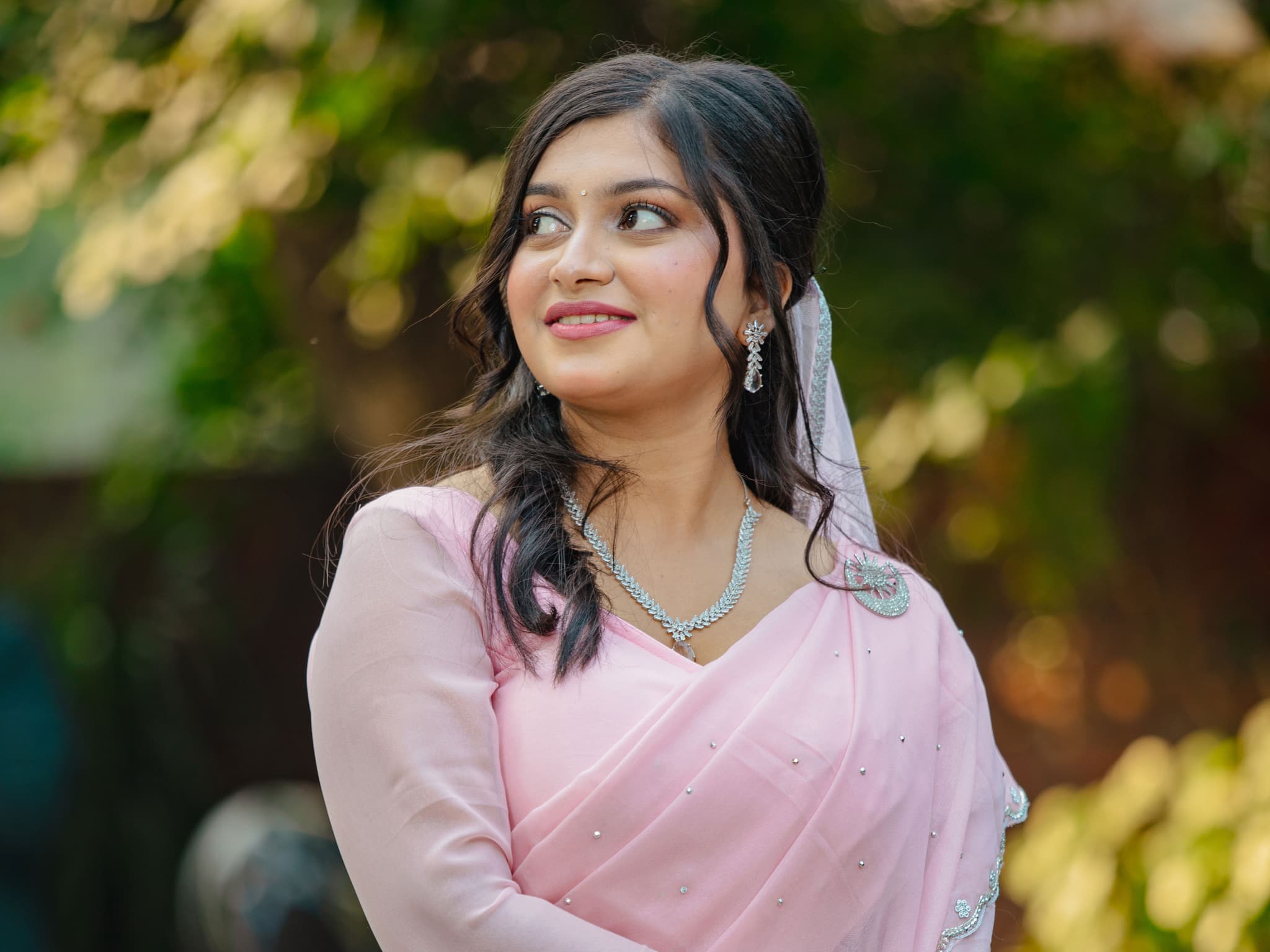
Can you do a photoshoot in Lumbini?
Yes, in most of the site. Couples, families and photographers regularly shoot in Lumbini, mostly in the Sacred Garden grounds, along the central canal and in front of the monasteries. What you cannot do is photograph inside the Maya Devi Temple, block pilgrims at the shrine, climb on ruins, or fly a drone without permission.
The Lumbini Development Trust, which manages the site, charges entry and separate fees for still cameras, video cameras and professional filming. Tell the Trust what you plan, with how many people and what equipment, and check the current fees before the day rather than at the gate.
How the site is laid out
Lumbini follows a master plan by the Japanese architect Kenzo Tange, commissioned in 1972 and completed as a plan in 1978. It covers an area of about one mile by three, in three zones joined by a long central canal: the Sacred Garden at the southern end, the International Monastic Zone in the middle, and New Lumbini Village to the north.
In the monastic zone, Theravada monasteries stand east of the canal and Mahayana and Vajrayana monasteries to the west. The distances are real, so decide in advance which two or three places you will shoot and how you will move between them; a shoot that tries to cover the whole site spends the light walking.
The Sacred Garden
The Sacred Garden is the heart of Lumbini. The Maya Devi Temple shelters the excavated remains and the marker stone that identifies the birthplace of the Buddha, and photography inside it is not allowed; signs say so and staff enforce it. Outside, the Ashoka Pillar, raised by the Mauryan emperor in 249 BCE, carries the inscription that records his visit to the birthplace.
Beside the temple is the sacred pond, Puskarini, where Maya Devi is said to have bathed, with trees hung with prayer flags around it. This is where pilgrims pray and meditate, so photograph quietly, keep your distance from people at worship, and save posed portraits for the lawns and paths further from the shrine.
The monastic zone and the central canal
The monastic zone is where Lumbini looks most varied: temples, stupas and gateways built by Buddhist communities from many countries, each in its own style. Each monastery is a working place of worship that sets its own rules, so ask at the gate before photographing, take off your shoes before entering, and expect some interiors to be closed to cameras.
The central canal gives the cleanest wide frames in Lumbini: long lines of water and paths that suit a couple walking towards the camera. Further out, the white World Peace Pagoda, completed in 2001, makes a simple, bright background early in the day.
Best light and season
The best months for photography in Lumbini are November to February: mild days and soft light over the Sacred Garden. Winter mornings can bring fog, which softens the Sacred Garden into a quiet, atmospheric scene but hides anything far away. From April the plains are very hot, and from June to September the monsoon brings heavy rain.
Arrive when the site opens. The early light is soft, the grounds are calm, and you finish before the midday heat and the busiest hours for pilgrims. Late afternoon suits the monasteries, when the low sun brings out their colour.
A pre-wedding shoot in Lumbini: what is appropriate
Lumbini is a sacred place for millions of people, and a pre-wedding shoot there works best when it looks like it belongs. Wear outfits that cover shoulders and knees near shrines, keep embraces and romantic poses for the gardens and canal paths rather than the temple or the pond, and never stand, sit or pose on ruins, the pillar railing or monastery steps reserved for worship.
Keep the team small, leave speakers and loud props at home, and step aside for pilgrims at every turn. Traditional Nepali outfits and soft, light colours suit the setting and read well against green lawns and white stupas.
Permits, fees and drones
Check three things before the day. First, the Lumbini Development Trust’s current entry, camera and filming fees, and whether your shoot counts as professional filming. Second, the rules of any monastery you want to use, which only the monastery can give. Third, if you want aerial footage, permission from the Civil Aviation Authority of Nepal, the District Administration Office and the Lumbini Development Trust.
Without that permission, plan the shoot without a drone. A ground-level shoot along the canal and in the gardens gives plenty of range on its own.
Getting there and planning the day
Lumbini is about 40 km south-west of Butwal by road, and the nearest airport is Gautam Buddha International Airport at Bhairahawa. For a two-hour session, allow time to reach the site, pay at the gate and walk to the first location before the light you want.
Combine Lumbini with Devdaha, east of Butwal and traditionally identified as the maternal home of Queen Maya Devi, for open countryside in the same day, or keep it to one place and finish before the heat.
Booking a photographer for Lumbini
Our studio is in Butwal, about an hour from Lumbini, and Lumbini is one of the places couples we photograph most often choose for a pre-wedding shoot. A two-hour pre-wedding or post-wedding session starts at NPR 25,000. There is no travel charge in Butwal, Tilottama, Bhairahawa or the Kathmandu Valley; travel and any stay anywhere else are quoted as their own line before you book.
Whoever you book, ask how they plan to work within the site’s rules, which parts of Lumbini they have photographed before, and whether the quote includes entry and camera fees.
Where to photograph in Lumbini
The site follows the master plan by the Japanese architect Kenzo Tange: the Sacred Garden in the south, the monastic zone in the middle and New Lumbini Village to the north, joined by a central canal.
| Area | What is there | Photography | Best for |
|---|---|---|---|
| Maya Devi Temple | The marker stone of the Buddha’s birthplace and ancient ruins | Not allowed inside | Exterior views from a respectful distance |
| Ashoka Pillar | The pillar Emperor Ashoka raised in 249 BCE, with its inscription | Allowed outside the railing | Heritage and travel frames |
| Sacred pond (Puskarini) | The pond where Maya Devi is said to have bathed | Allowed | Calm reflections and prayer flags |
| Sacred Garden grounds | Lawns, old trees and the brick ruins of early monasteries | Allowed; stay on the paths | Portraits away from pilgrims |
| Central canal | The long water axis linking the zones | Allowed | Wide, symmetrical couple frames |
| East monastic zone | Theravada monasteries | Ask at each gate | Temple architecture from South and Southeast Asia |
| West monastic zone | Mahayana and Vajrayana monasteries | Ask at each gate | Colourful temple architecture |
| World Peace Pagoda | A white stupa completed in 2001 | Allowed outside | Clean white backgrounds in early light |
Before a photoshoot in Lumbini
- Check the Lumbini Development Trust’s current entry, camera and filming fees.
- Pick two or three locations close together: the Sacred Garden grounds, the canal, one monastery.
- Arrive at opening for soft light and quiet grounds.
- Wear outfits that cover shoulders and knees near shrines, and flat shoes for walking.
- Ask at each monastery gate before photographing, and take off shoes before entering.
- Leave the drone at home unless all three permissions are in hand.
- Keep romantic poses away from the temple, the pond and people at prayer.
Planning a pre-wedding shoot near Lumbini?
Our Butwal pages cover the pre-wedding session, what it costs and the other places worth photographing nearby.
Sources and further reading
We use primary or specialist references for historical, technical, legal, and trend-sensitive claims. Prices and rules can change, so verify decisions with the relevant provider or authority.
Lumbini Photoshoot Guide: Where You Can Shoot, the Rules and the Best Light: questions answered
Can you take photos inside the Maya Devi Temple?+
No. Photography is not allowed inside the Maya Devi Temple, which shelters the marker stone of the Buddha’s birthplace. You can photograph the Sacred Garden around it, the Ashoka Pillar and the sacred pond.
Is a pre-wedding photoshoot allowed in Lumbini?+
Yes, in the open grounds: the Sacred Garden lawns and paths, the central canal and in front of the monasteries. Keep it modest and quiet, away from the temple and from people at prayer, and check the Trust’s fees first.
Do you need a permit for a photoshoot in Lumbini?+
The Lumbini Development Trust charges entry and separate fees for still cameras, video cameras and professional filming. Tell the Trust what you plan and check the current fees before the day; monasteries set their own rules.
Can you fly a drone in Lumbini?+
Only with permission from the Civil Aviation Authority of Nepal, the District Administration Office and the Lumbini Development Trust. Without all three, plan the shoot without a drone.
What is the best time for a photoshoot in Lumbini?+
Early morning, when the site opens and the light is soft. The best months are November to February; winter mornings can be foggy, April to June is very hot, and June to September is the monsoon.
What should we wear for a Lumbini photoshoot?+
Outfits that cover shoulders and knees near shrines, in soft or light colours that stand out against green lawns and white stupas. Traditional Nepali outfits suit the setting. Bring flat shoes: the site is large and you will walk.
Where are the best photo spots in Lumbini?+
The Sacred Garden lawns and the sacred pond with its prayer flags, the long central canal, the gateways of the monasteries in the east and west zones, and the white World Peace Pagoda in early light.
How far is Lumbini from Butwal?+
About 40 km south-west by road, roughly an hour’s drive. The nearest airport is Gautam Buddha International Airport at Bhairahawa.
How much does a Lumbini photoshoot cost?+
With us, a two-hour pre-wedding or post-wedding session starts at NPR 25,000, from our Butwal studio. Entry and camera fees are charged by the Lumbini Development Trust and are separate.